- All
- Product Name
- Product Keyword
- Product Model
- Product Summary
- Product Description
- Multi Field Search

Views: 0 Author: Site Editor Publish Time: 2026-05-18 Origin: Site
Warehouses and retail backrooms often face a frustrating storage gap. Standard light-duty racks buckle under heavy inventory. Conversely, massive pallet systems consume too much floor space. They also require expensive forklifts. Finding the right balance becomes critical for fast-moving operations.
Relying on the wrong storage infrastructure creates massive inefficiencies. Order pickers waste valuable time navigating deep aisles. Manual retrieval becomes dangerous when you cram bulky items into small bins. You need a system built specifically for hand-loaded, non-palletized inventory. It must handle substantial weight safely.
We introduce Longspan Shelving as the ultimate engineering bridge. This guide walks you through load specifications, workflow alignment, and structural limits. You will learn how to evaluate this medium-to-heavy-duty system. We help you maximize your vertical space efficiently.
The "Middle-Weight" Standard: Fills the gap between light bolt-shelving and pallet racking, typically supporting 450kg to 900kg per tier (Uniformly Distributed Load - UDL).
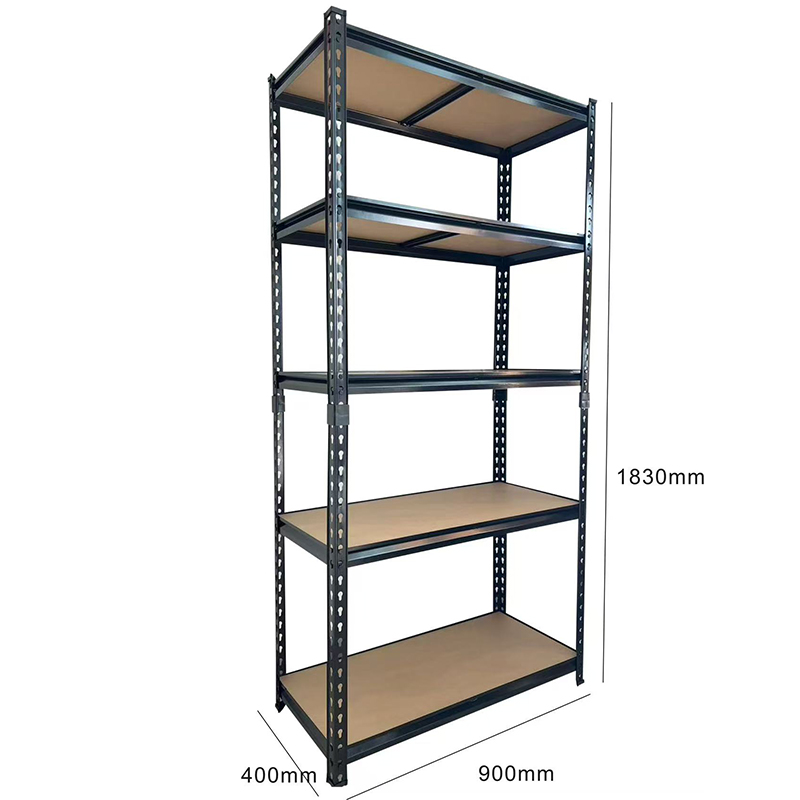
Operational Agility: Relies on a modular, boltless design (uprights, beams, decking) allowing rapid reconfiguration with 50mm–75mm pitch adjustments.
High ROI for Manual Picking: Ideal for non-palletized, bulky, or irregularly shaped inventory requiring manual, forklift-free access.
Hybrid Scalability: Frequently used alongside pallet racking to create hybrid warehouses (bulk pallets up top, manual longspan picking below).
These modular storage systems rely on a highly efficient structural design. Manufacturers engineer them specifically for manual loading. You do not need specialized tools for assembly. The framework consists of three primary components.
Understanding the architecture helps you plan your facility layout better. The minimalist three-piece construction ensures maximum durability.
Upright Frames: These vertical pillars carry the entire system load. Manufacturers typically form them from heavy-gauge steel, such as 14-gauge. They feature diagonal bracing. This bracing provides essential lateral stability. It prevents the entire row from swaying under heavy loads.
Step Beams: These horizontal bars bear the direct weight of your goods. They utilize a bolt-free lock-in mechanism. You simply tap the beam connectors into the upright slots. This reduces assembly friction significantly. You can adjust shelf heights in minutes.
Decking Panels: These flat surfaces rest on the step beams. You choose the material based on your specific environment. Particleboard works perfectly for standard dry goods. Galvanized or powder-coated steel offers high durability for rough industrial items. Wire mesh decking ensures strict fire compliance. It allows warehouse sprinklers to penetrate the shelves freely.
Setting realistic expectations prevents catastrophic structural failures. You must respect the engineering limits of your racking.
Standard configurations offer impressive capacities. Spans can reach up to 3 meters wide. System heights often extend up to 5 meters. A single bay typically supports around 4500kg of total capacity. However, you must apply this weight properly.
Common Mistake: Never assume a shelf is unbreakable. You must always distribute the weight evenly. Engineers base all capacity ratings on a Uniformly Distributed Load (UDL). Placing a 500kg solid steel block in the dead center of a beam will cause severe deflection. It might even trigger a collapse. Spread the load evenly across the entire shelf surface.
Choosing the right storage infrastructure directly impacts your daily operational speed. You must compare available systems objectively. We outline how this intermediate shelving outperforms traditional alternatives.
Standard steel shelving maxes out at much lower weight thresholds. Most standard units handle only 150kg to 200kg per shelf. They also feature much narrower spans. This forces workers to pile bulky goods on the floor. Floor piling creates trip hazards. It also damages your inventory.
Upgrading to a longer span eliminates bulk floor storage. The reinforced step beams prevent structural fatigue over time. You gain a safer, cleaner floor plan. Your teams can organize large boxes systematically.
Many facilities default to heavy pallet racking. This choice often hurts efficiency for manually picked goods. Pallet systems require massive aisles. Forklifts need a wide turning radius to operate safely.
Conversely, manual picking systems require much narrower aisles. You eliminate the need for forklift clearance entirely. This condenses your storage footprint. You pack more aisles into the same square footage.
You rarely need to make a strict binary choice. The most efficient warehouses use hybrid integrations. They combine heavy machinery zones and manual picking zones seamlessly.
Install pallet racking for upper-level bulk storage. Then, embed Longspan Shelving right at the ground level. This setup creates highly ergonomic manual order fulfillment. Forklifts replenish the top tiers periodically. Human workers pick individual orders safely below.
System Type | Load Capacity Per Tier | Loading Method | Ideal Inventory Profile |
|---|---|---|---|
Standard Steel Shelving | 100kg - 200kg | Manual | Small parts, lightweight bins, stationery |
Longspan Shelving | 450kg - 900kg | Manual | Bulky boxes, irregular parts, archive boxes |
Pallet Racking | 1000kg - 3000kg+ | Forklift | Palletized bulk goods, raw heavy materials |
Different sectors require highly specific inventory handling methods. The adaptable nature of these racks suits various demanding environments. Let us examine four distinct industry applications.
Auto workshops deal with heavy, irregular, and long items. Exhaust pipes, heavy molds, and engine components simply do not fit into standard plastic bins. Wide-span racks accommodate these awkward shapes perfectly. Mechanics can retrieve heavy alternators without dismantling the shelf.
E-commerce demands rapid sorting. Facilities must handle fast-moving consumer goods (FMCG) constantly. These racks support high-density First-In, First-Out (FIFO) workflows.
Warehouse managers easily configure the shelf heights. They accommodate hundreds of plastic picking bins. Pickers walk the aisles and grab single items swiftly. The open design provides complete visibility.
Record management facilities require immense density. Archival boxes weigh surprisingly much when packed tightly. Wide spans eliminate obstructive intermediate uprights. You can align dozens of document boxes perfectly.
This layout maximizes your box-per-square-meter ratio. You store more paper records in a smaller room. The sturdy steel prevents the shelves from bowing under heavy paper loads.
Food distributors often operate in damp conditions. Freezers and chillers create intense moisture. Standard untreated steel rusts rapidly in these zones.
You must select specific surface treatments here. Manufacturers apply acid pickling and phosphating processes. They finish the metal using specialized powder coatings. These treatments seal the steel completely. They prevent rust and ensure long-term hygiene.
Procuring warehouse infrastructure requires careful planning. You cannot buy industrial racking based on guesswork. Follow this four-step evaluation framework.
You must calculate the Uniformly Distributed Load accurately. Divide your total target weight evenly across the intended shelf area. Never plan for center-loading.
Furthermore, account for facility dead zones. Look up at your ceiling. Identify HVAC ducts, fire sprinklers, and overhead lighting. Your shelving layout must not obstruct these critical building systems. Leave adequate clearance for fire safety regulations.
Warehouse floors are rarely perfectly level. Concrete slabs settle and crack over time. Installing rigid steel frames on uneven ground causes dangerous structural stress.
Best Practice: Always assess the floor before installation. Use steel shim plates to level the uprights perfectly. Once leveled, secure the frames using heavy-duty floor anchors. Anchoring prevents the system from tipping. It ensures strict workplace safety compliance.
Design your layout around human factors. Pickers spend hours reaching, bending, and lifting. Poor design causes worker fatigue and injuries.
Map your inventory velocity carefully. Keep your heaviest, fast-moving items in the "golden zone." This zone spans from waist to shoulder height. Place lighter, slower-moving goods on the top or bottom tiers. This ergonomic strategy increases picking speed dramatically.
Your safety depends on manufacturing quality. You must vet your supplier thoroughly. A reputable Longspan Shelving manufacturer provides complete transparency.
Standard Compliance: Look for adherence to industry-standard testing. Ensure they follow frameworks like the FEM Shelving Design Code 10.2.06.
Warranty Terms: Demand clear, written warranty documentation against manufacturing defects.
Aftermarket Support: Ensure the factory supplies replacement parts readily. You will eventually need spare safety pins, extra beams, or replacement bracing.
Customization: Verify they can adjust the steel gauge to match your specific load requirements.
A successful purchase only solves half the problem. You must execute the installation flawlessly. You must also maintain the infrastructure over its lifespan.
Boltless designs promise rapid assembly. However, speed often leads to sloppy execution. The very first bay dictates the success of the entire row.
Squaring and leveling the starter bay remains a critical failure point. If the first frame leans slightly, the error multiplies across the aisle. Installers must use laser levels. They must square every upright perfectly before locking the beams into place.
Industrial racking endures daily abuse. Workers bump into frames. They drop heavy boxes onto decks. You must define a strict maintenance schedule. Do not wait for a collapse to perform maintenance.
Inspection Type | Frequency | Key Actions to Perform |
|---|---|---|
Visual Walk-Through | Weekly | Check for obviously dislodged safety pins. Remove aisle clutter. |
Structural Check | Monthly | Measure beam deflection. Inspect for rust in humid zones. |
Formal Audit | Every 12 Months | Documented inspection by a competent external professional. Check floor anchors. |
You must monitor beam deflection closely. A loaded beam will naturally bow slightly. However, if the beam remains permanently bent after you remove the inventory, it has failed. You must replace deformed beams immediately.
Finally, protect your investment proactively. Install heavy-duty column guards and crash barriers. These add-ons protect the steel if manual picking carts or pallet jacks operate nearby. A simple yellow column guard absorbs cart impacts safely.
Upgrading your warehouse infrastructure unlocks massive operational efficiency. You can transform chaotic bulk storage into a highly organized, fast-paced fulfillment engine.
This adaptable shelving serves as a vital strategic asset. It scales perfectly for operations outgrowing standard racks.
It delivers immense weight capacity without requiring heavy forklift infrastructure.
The modular, bolt-free architecture guarantees easy reconfiguration as your product lines evolve.
You can combine it with heavy racking to build the ultimate hybrid warehouse.
Do not buy infrastructure blindly. Take action today. Conduct a comprehensive site audit. Measure your available ceiling height precisely. Assess your concrete floor quality. Audit your average inventory weights. Once you gather this data, request an engineered CAD layout from a reputable vendor. Obtain proper load-bearing certifications before you finalize any installation.
A: No. Longspan shelving is explicitly designed for manual, hand-loaded applications. Using a forklift poses severe impact and structural collapse risks. The uprights and beams cannot withstand accidental collisions from heavy material handling equipment.
A: Depending on the beam profile and manufacturer, it typically ranges from 400kg to 900kg per shelf (UDL), with maximum bay loads up to 4500kg. Always check FEM standards or your local load certifications to ensure absolute safety.
A: Visual checks should occur monthly. You must look for dislodged safety clips or bent beams. Furthermore, you need a formal, documented inspection by a competent person every 12 months.
A: Yes. The boltless frame design allows step beams to be adjusted up or down. You usually adjust them in 50mm or 1.5-inch increments. You only need a rubber mallet. The process requires zero specialized tools.